

Glaucopsyche alexis (Poda, 1761) (Alexis-Bläuling)
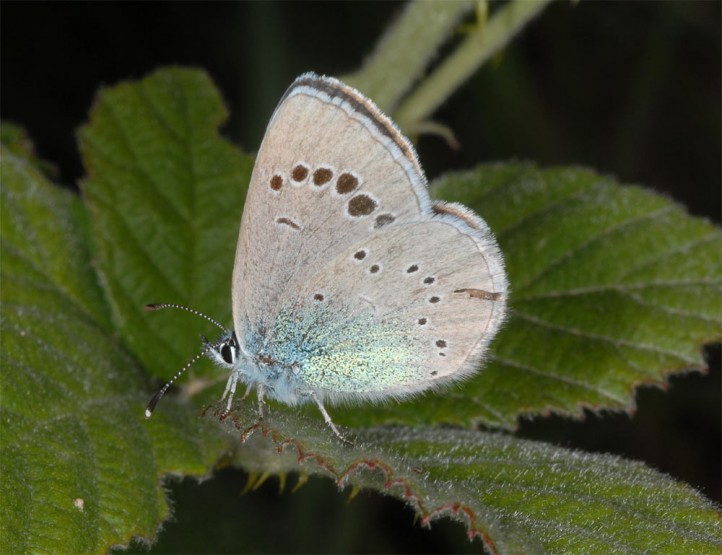
![Glaucopsyche alexis: Männchen (Nordgriechenland, Mai 2010) [N]](bilder1/lycaenidae/alexis_f2010.jpg "Glaucopsyche alexis: Männchen (Nordgriechenland, Mai 2010) [N]")
![Glaucopsyche alexis: Männchen (Nord-Griechenland) [N]](bilder1/lycaenidae/alexis_2f2010.jpg "Glaucopsyche alexis: Männchen (Nord-Griechenland) [N]")
![Glaucopsyche alexis: Weibchen (Provence, Ende Mai 2013) [N]](bilder1/lycaenidae/alexis_im2013.jpg "Glaucopsyche alexis: Weibchen (Provence, Ende Mai 2013) [N]")
![Glaucopsyche alexis: Weibchen [S]](bilder1/lycaenidae/alexis_wos2009.jpg "Glaucopsyche alexis: Weibchen [S]")
![Glaucopsyche alexis: Männchen [S]](bilder1/lycaenidae/alexis_mos2009.jpg "Glaucopsyche alexis: Männchen [S]")
![Glaucopsyche alexis: Weibchen [N]](bilder1/lycaenidae/alexis_wos.jpg "Glaucopsyche alexis: Weibchen [N]")
![Glaucopsyche alexis: Weibchen (Provence, Ende Mai 2013) [N]](bilder1/lycaenidae/alexis_2im2013.jpg "Glaucopsyche alexis: Weibchen (Provence, Ende Mai 2013) [N]")
![Glaucopsyche alexis: Pärchen [N]](bilder1/lycaenidae/alexis_paar.jpg "Glaucopsyche alexis: Pärchen [N]")
![Glaucopsyche alexis: Unterseite [N]](bilder1/lycaenidae/alexis_eus.jpg "Glaucopsyche alexis: Unterseite [N]")
![Glaucopsyche alexis: Eiablage an Spartium junceum [N]](bilder1/lycaenidae/alexis_eiablage.jpg "Glaucopsyche alexis: Eiablage an Spartium junceum [N]")
![Glaucopsyche alexis: Unterseite [S]](bilder1/lycaenidae/alexis_usd.jpg "Glaucopsyche alexis: Unterseite [S]")
![Glaucopsyche alexis: Unterseite [S]](bilder1/lycaenidae/alexis_2usd.jpg "Glaucopsyche alexis: Unterseite [S]")
![Glaucopsyche alexis: Unterseite [S]](bilder1/lycaenidae/alexis_us2009.jpg "Glaucopsyche alexis: Unterseite [S]")
![Glaucopsyche alexis: Falterversammlung an feuchter Wegstelle. Im Vordergrund ist auch Polyommatus thersites dabei. Nordgriechenland, Askion-Gebirge, Mai 2011) [N]](bilder1/lycaenidae/alexis_f2011.jpg "Glaucopsyche alexis: Falterversammlung an feuchter Wegstelle. Im Vordergrund ist auch Polyommatus thersites dabei. Nordgriechenland, Askion-Gebirge, Mai 2011) [N]")
![Glaucopsyche alexis: Männchen (Griechenland, Peloponnes, Chelmos, Ende Mai 2017) [N]](bilder1/lycaenidae/alexis_im2017.jpg "Glaucopsyche alexis: Männchen (Griechenland, Peloponnes, Chelmos, Ende Mai 2017) [N]")
![Glaucopsyche alexis: Männchen (Griechenland, Peloponnes, Chelmos, Ende Mai 2017) [N]](bilder1/lycaenidae/alexis_2im2017.jpg "Glaucopsyche alexis: Männchen (Griechenland, Peloponnes, Chelmos, Ende Mai 2017) [N]")
![Glaucopsyche alexis: Männchen (Griechenland, Peloponnes, Chelmos, Ende Mai 2017) [N]](bilder1/lycaenidae/alexis_3im2017.jpg "Glaucopsyche alexis: Männchen (Griechenland, Peloponnes, Chelmos, Ende Mai 2017) [N]")
![Glaucopsyche alexis: Männchen (Griechenland, Peloponnes, Chelmos, Ende Mai 2017) [N]](bilder1/lycaenidae/alexis_4im2017.jpg "Glaucopsyche alexis: Männchen (Griechenland, Peloponnes, Chelmos, Ende Mai 2017) [N]")
![Glaucopsyche alexis: Männchen (Griechenland, Peloponnes, Chelmos, Ende Mai 2017) [N]](bilder1/lycaenidae/alexis_5im2017.jpg "Glaucopsyche alexis: Männchen (Griechenland, Peloponnes, Chelmos, Ende Mai 2017) [N]")
![Glaucopsyche alexis: Weibchen (Griechenland, Peloponnes, Chelmos, Ende Mai 2017) [N]](bilder1/lycaenidae/alexis_6im2017.jpg "Glaucopsyche alexis: Weibchen (Griechenland, Peloponnes, Chelmos, Ende Mai 2017) [N]")
![Glaucopsyche alexis: Weibchen (Griechenland, Peloponnes, Chelmos, Ende Mai 2017) [N]](bilder1/lycaenidae/alexis_7im2017.jpg "Glaucopsyche alexis: Weibchen (Griechenland, Peloponnes, Chelmos, Ende Mai 2017) [N]")
![Glaucopsyche alexis: Ei in Onobrychis-Blütenstand [N]](bilder1/lycaenidae/alexis_ei.jpg "Glaucopsyche alexis: Ei in Onobrychis-Blütenstand [N]")
![Glaucopsyche alexis: Ei an Onobrychis, Detail [N]](bilder1/lycaenidae/alexis_eiadet.jpg "Glaucopsyche alexis: Ei an Onobrychis, Detail [N]")
![Glaucopsyche alexis: Ei an Spartium junceum [M]](bilder1/lycaenidae/alexis_eispartium.jpg "Glaucopsyche alexis: Ei an Spartium junceum [M]")
![Glaucopsyche alexis: Jungraupe [M]](bilder1/lycaenidae/alexis_jrpe07.jpg "Glaucopsyche alexis: Jungraupe [M]")
![Glaucopsyche alexis: Raupe (N-Griechenland) [S]](bilder1/lycaenidae/alexis_rpe2008.jpg "Glaucopsyche alexis: Raupe (N-Griechenland) [S]")
![Glaucopsyche alexis: Raupe (N-Griechenland) [S]](bilder1/lycaenidae/alexis_2rpe2008.jpg "Glaucopsyche alexis: Raupe (N-Griechenland) [S]")
![Glaucopsyche alexis: Raupe (N-Griechenland) [S]](bilder1/lycaenidae/alexis_3rpe2008.jpg "Glaucopsyche alexis: Raupe (N-Griechenland) [S]")
![Glaucopsyche alexis: Raupe [M]](bilder1/lycaenidae/alexis_rpe.jpg "Glaucopsyche alexis: Raupe [M]")
![Glaucopsyche alexis: Raupe [M]](bilder1/lycaenidae/alexis_rpe2.jpg "Glaucopsyche alexis: Raupe [M]")
![Glaucopsyche alexis: Raupe an Onobrychis (Griechenland, Peloponnes, Chelmos, Ende Mai 2017) [N]](bilder1/lycaenidae/alexis_rpe2017.jpg "Glaucopsyche alexis: Raupe an Onobrychis (Griechenland, Peloponnes, Chelmos, Ende Mai 2017) [N]")
![Glaucopsyche alexis: Raupe an Onobrychis (Griechenland, Peloponnes, Chelmos, Ende Mai 2017) [N]](bilder1/lycaenidae/alexis_2rpe2017.jpg "Glaucopsyche alexis: Raupe an Onobrychis (Griechenland, Peloponnes, Chelmos, Ende Mai 2017) [N]")
![Glaucopsyche alexis: Raupe an Onobrychis (Griechenland, Peloponnes, Chelmos, Ende Mai 2017) [N]](bilder1/lycaenidae/alexis_3rpe2017.jpg "Glaucopsyche alexis: Raupe an Onobrychis (Griechenland, Peloponnes, Chelmos, Ende Mai 2017) [N]")
![Glaucopsyche alexis: Raupe an Onobrychis (SE-Frankreich, Haute-Durance, Juni 2017) [N]](bilder1/lycaenidae/alexis_4rpe2017.jpg "Glaucopsyche alexis: Raupe an Onobrychis (SE-Frankreich, Haute-Durance, Juni 2017) [N]")
![Glaucopsyche alexis: Raupe an Onobrychis (SE-Frankreich, Haute-Durance, Juni 2017) [N]](bilder1/lycaenidae/alexis_5rpe2017.jpg "Glaucopsyche alexis: Raupe an Onobrychis (SE-Frankreich, Haute-Durance, Juni 2017) [N]")
![Glaucopsyche alexis: Puppe [S]](bilder1/lycaenidae/alexis_ppe.jpg "Glaucopsyche alexis: Puppe [S]")
![Glaucopsyche alexis: Puppe (Nordgriechenland) [S]](bilder1/lycaenidae/alexis_ppe2008.jpg "Glaucopsyche alexis: Puppe (Nordgriechenland) [S]")
![Glaucopsyche alexis: Habitat in der Provence [N]](bilder1/lycaenidae/alexis_h.jpg "Glaucopsyche alexis: Habitat in der Provence [N]")
![Glaucopsyche alexis: Habitat mit Spartium junceum (Provence) [N]](bilder1/lycaenidae/alexis_hspartium.jpg "Glaucopsyche alexis: Habitat mit Spartium junceum (Provence) [N]")
![Glaucopsyche alexis: Habitat (Frankreich, Hautes-Alpes, Haute-Durance, Juni 2017) [N]](bilder1/lycaenidae/alexis_h2017.jpg "Glaucopsyche alexis: Habitat (Frankreich, Hautes-Alpes, Haute-Durance, Juni 2017) [N]")
![Glaucopsyche alexis: Habitat (Griechenland, Peloponnes, Chelmos, Kalavryta, Ende Mai 2017) [N]](bilder1/lycaenidae/alexis_2h2017.jpg "Glaucopsyche alexis: Habitat (Griechenland, Peloponnes, Chelmos, Kalavryta, Ende Mai 2017) [N]")
Raupennahrungspflanzen:
Die Raupen fressen an Fabaceae wie vor allem Onobrychis und Medicago. Zudem legt die Art auch gerne an Ginster ab, so beispielsweise an Spartium junceum in der Provence (noch geschlossene Blütenköpfchen). Raupen fand ich dort auch zusammen mit Glaucopsyche melanops an Dorycnium pentaphyllum.
Lebensraumansprüche:
Glaucopsyche alexis besiedelt Magerrasen und -weiden, Macchien, breite Waldsäume und ähnliche Stellen, die meist warm und gelegentlich etwas luftfeucht gelegen sind.
Entwicklungszyklus:
Die Puppe überwintert. Die Falter fliegen von April bis Juni. Die Raupen sind Ende Mai bis Juli zu finden. Die Eiablage erfolgt in die noch geschlossenen Blütenstände wie ich im Mai 2006 in der Provence mehrfach beobachten konnte.
Gefährdung: stark gefährdet
Gefährdungsursachen:
Nördlich der Alpen ist Glaucopsyche alexis durch Habitatverlust (Intensivlandwirtschaft, häufiges Mähen von Säumen, Eutrophierung, Überbauung) stark bedroht und bereits sehr zurückgegangen. Sie kommt hier nur mehr stellenweise wie im Kaiserstuhlgebiet vor. In Südeuropa (z.B. Provence oder Nordgriechenland) ist Glaucopsyche alexis hingegen noch besser verbreitet.
Bemerkungen:
Glaucopsyche alexis ist von Nordafrika über Europa und Teile Asiens bis zum Amur verbreitet. In Europa fehlt sie in Nordskandinavien, den Britischen Inseln, im Nordwesten Mitteleuropas und lokal in einigen südlichsten Gebieten des Mittelmeers (z.B. Südgriechenland).
Glaucopsyche melanops | Glaucopsyche paphos
